Choosing the Ideal Scarf for Hijab Wearers
Intro
Choosing the right scarf to accompany your hijab is an art form. It's about more than just fabric; it's a balance of comfort, style, and practicality. With countless options available, from luxurious silks to breathable cottons, each scarf possesses unique attributes that can elevate an ensemble or provide essential functionality. The goal is to nourish your personal style while respecting the cultural significance of hijab wearing.
The vast world of scarf styles caters to diverse preferences. Whether you appreciate minimalist designs or vibrant patterns, the right choice can complement your individuality and express who you are. This article delves into various factors to consider, empowering you to select the perfect scarf that aligns with your taste and requirements.
In this guide, we will explore not just the types of materials available, but also considerations like color coordination and seasonal adaptability. Ready to enhance your wardrobe? Let's dive in.
Fashion Tips
Styling Techniques
When it comes to styling, there’s no one-size-fits-all. Different scarves lend themselves to various techniques depending on their shape, length, and texture. Here are some popular approaches to style your scarf:
- Classic Wrap: A timeless style suitable for most occasions. Fold your scarf into a triangle and drape it gracefully over your shoulders. Secure with a brooch for added elegance.
- The Turban Style: Perfect for those looking for a chic, modern twist. Gather your scarf at the back of your head, twist it forward, and tuck in the ends.
- Layered Look: Don’t shy away from mixing and matching. Layer different scarves—a lightweight one underneath a thicker one can create an interesting visual dynamic.
As you experiment with these techniques, it’s helpful to remember that the weight and material of the scarf can play a vital role in how well various styles turn out. Lighter fabrics like chiffon might not hold up as well in a turban look compared to a sturdier material like jersey.
Must-Have Accessories
Enhancing your scarf style is not merely about the scarf itself; it also involves accessories that accentuate your look. Consider:
- Brooches or Pins: They can add a dash of sparkle or elegance and keep your scarf neatly arranged.
- Headbands: Lightweight and colorful headbands work wonders to keep your scarf in place while adding flair.
- Underscarves: Kaftan or bonnet-style underscarves can provide extra grip and help in holding your hijab snugly without discomfort.
It's important to choose accessories that add value and do not overwhelm the overall look. This way, you can maintain an effortlessly chic appearance.
Outfit Inspiration
Seasonal Outfit Ideas
The choice of scarf and its styling can vary dramatically depending on the season. Here’s how to adapt your scarf wardrobe through the different times of the year:
- Spring: Lightweight cotton or floral printed scarves are in vogue. Pair them with soft pastels or bright colors for a fresh spring appeal.
- Summer: Opt for airy fabrics like linen or jersey that allow airflow. A light, brightly colored scarf can serve as an effective shield against the sun while keeping you stylish.
- Fall: Embrace deeper hues and thicker materials like pashmina. Earthy tones complement the autumn backdrop beautifully.
- Winter: Choose a heavier scarf made from wool or a cozy knit composition. These materials provide warmth and can be styled in multiple layers for an inviting look.
Versatile Wardrobe Essentials
The key to a versatile wardrobe lies in smart layering and the ability to transition your wardrobe pieces across different seasons and occasions. Here are essential items to consider incorporating:
- Basic Tops: Solid-colored shirts or blouses that can be paired easily with various scarf styles.
- Tailored Jackets: A fitted jacket can elevate a simple outfit and work beautifully with a lightweight scarf.
- Classic Trousers: Well-fitted trousers in neutral shades can serve as a backdrop for bold scarf choices.
- Multi-functional Dresses: Opt for dresses that can be worn on their own or layered with other pieces, creating an array of styling options.
Utilizing versatile pieces not only simplifies your wardrobe but also opens up opportunities to express your unique style without clutter.
"Fashion is about dressing according to what’s fashionable. Style is more about being yourself."
The right scarf serves as a key element in expressing your personal style while augmenting the overall look of your hijab. Armed with this knowledge, you’re ready to step out in confidence!
Understanding Hijab and Its Style
Understanding hijab and its various styles is crucial when selecting the right scarf. This section delves into the integral significance of hijab in contemporary fashion, highlighting not only its aesthetic appeal but also its cultural implications. Embracing hijab extends beyond mere fabric; it encompasses identity, tradition, and personal style. Hence, it becomes essential to explore the multifaceted nature of hijabs to make informed choices in scarf selection.
Historical Context of Hijab
The history of hijab can be traced back centuries, deeply embedded in the fabric of various cultures. Unlike popular belief, it is not solely a symbol of oppression, but rather a garment that has evolved alongside social norms and customs. Originating in various forms, hijab has been an expression of modesty, dignity, and faith across many religions and societies.
Historically, in ancient civilizations, women wore veils as a sign of respect, modesty, and virtue. The Quran, a central religious text in Islam, outlines the principles of modest attire. Scholars believe that the practice of wearing hijab was adopted by women as a method of adhering to these precepts. Digging deeper, we discover that different cultures have their own interpretations and styles of hijab, such as the tunic, the chador, and the niqab.
This evolution reflects not only shifts within religious narratives but also adaptations based on geographical locations and societal changes. Thus, when selecting a scarf, knowing its historical roots can inform choices and add depth to style choices.
Modern Interpretations of Hijab
In today’s fast-paced world, the interpretation of hijab has taken on new facets, with myriad styles emerging that resonate with diverse generations. Young women, especially, are redefining hijab to align with their personal aesthetics while maintaining cultural roots. The modern hijab is not just a black scarf; it can be a vibrant, patterned, or textured piece that reflects personal taste.
Fashion designers around the globe recognize this shift. Many are embracing traditional hijab styles and infusing them with contemporary designs, offering unique pieces that cater to a market seeking both modesty and flair. Scarves can now be seen adorned with intricate embroidery, bold geometric patterns, or soft floral designs — providing wearers with a sense of individuality.
Notably, social media has played a significant role in this transformation. Platforms like Instagram and TikTok are filled with hijab influencers who showcase styling techniques, layering methods, and scarves that enhance their outfits. This digital age has shattered the stereotype of hijab as an archaic garment and repositioned it as a bold fashion statement, appealing to both hijab-wearers and fashion enthusiasts alike.
Understanding these modern interpretations enriches the overall approach to selecting scarves. The best scarf is one that not only aligns with personal style but also reflects and respects the cultural essence of hijab. As the conversation around hijab continues to evolve, so too does the opportunity for wearers to explore and project their identities authentically through their choice of scarves.
"Fashion is what you’re offered four times a year by designers. And style is what you choose."
Choosing a scarf that complements and enhances the hijab experience requires a keen awareness of these historical and modern narratives. With this knowledge, wearers can confidently select scarves that embody both personal flair and cultural significance.
The Role of Scarves in Hijab Fashion
When it comes to hijab fashion, the scarf embodies more than a mere piece of fabric. It serves as a vital element that harmonizes functionality and style, allowing women to express their individuality while adhering to cultural and religious practices. The importance of the scarf in hijab befits its role as both a style statement and a guardian of modesty. Choices can range from simple, understated designs to bold, eye-catching patterns, catering to the diverse preferences of individuals who wear hijab.
Functionality and Aesthetics
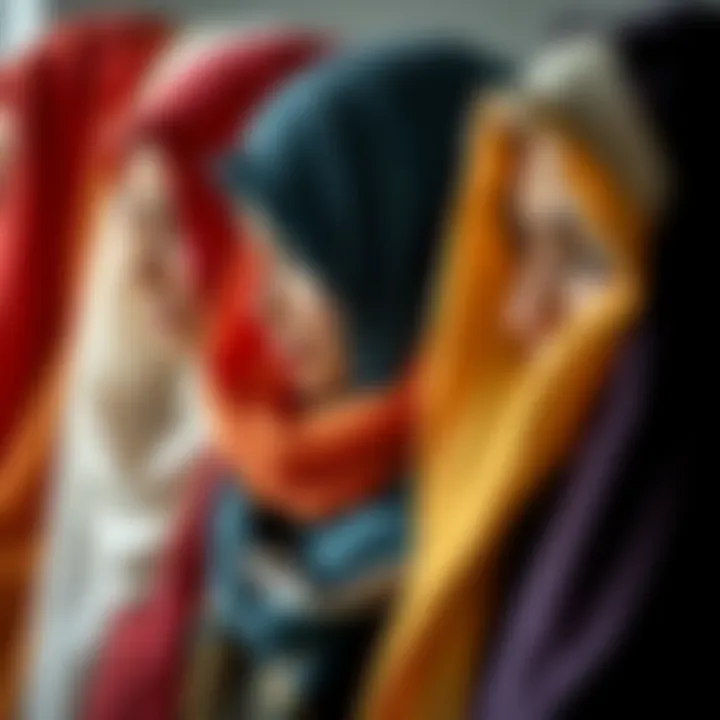
Scarves contribute significantly to the overall look of the hijab. They are not only practical – keeping hair concealed and protecting from the elements – but also elevate the aesthetic appearance, allowing for creativity and personal expression. A scarf characterized by rich textures or intricate patterns can dramatically enhance an outfit. The interplay between raw comfort and style is remarkably pronounced in scarves, making them essential for everyday wear or special occasions.
- Comfort and Fit: A scarf needs to be comfortable; it should sit well on the head, without slipping or causing discomfort.
- Versatility: Scarves can be styled in numerous ways, suiting different occasions – office wear, casual outings, or formal events.
- Breathability: Materials like cotton and chiffon allow for airflow, which is key in warm climates, while thicker options, like wool, provide warmth during colder months.
The different tying methods and layering techniques also play into how a scarf can be shaped to match the wearer's unique style. Understanding these aspects helps a person to effortlessly transition their look from day to night or from elegant to casual.
Cultural Significance
The scarf is steeped in cultural nuances. In many cultures, the hijab scarf symbolizes respect, dignity, and a commitment to one's faith. Whether in the bustling markets of Istanbul or the quiet neighborhoods of Paris, each scarf can tell a story, reflecting a person's heritage or belief system. It functions, not only as an accessory but as a statement of identity.
This cultural significance can be expressed through intricate designs or particular fabric selections that resonate with specific traditions. For example, a silk scarf adorned with Arabic calligraphy may mean more to someone than an abstract print, as it carries connotations of spirituality and cultural pride.
Furthermore, the evolution of hijab fashion means that today’s scarves often navigate between cultural heritage and contemporary trends, bridging generations. As fashion designers and stylists embrace this duality, the scarf becomes a canvas for innovation and reverence.
"A scarf can encapsulate eras, making tradition relevant while allowing for modern reinterpretation."
Choosing the Right Material
When it comes to selecting the ideal scarf for hijab, the material stands out as a crucial aspect that can greatly influence comfort and style. The right fabric can enhance the overall look while also ensuring that the wearer feels at ease throughout the day. Factors such as breathability, weight, and texture play pivotal roles in determining how perfect a scarf can be for individual preferences and occasions. Being knowledgeable about various materials allows one to make informed choices tailored to specific needs, ensuring that the hijab style harmonizes with personal comfort and the demands of different activities.
Cotton Scarves
Cotton scarves are often the favored choice for many hijab wearers, and it's not hard to see why. The soft and breathable nature of cotton makes it a go-to fabric for warm weather. With a wide range of weights, from lighter cotton voile to heavier options, there's a cotton scarf suitable for nearly every season. This material is also quite easy to care for, which is an essential consideration for those with busy lifestyles.
Moreover, cotton scarves can be styled in numerous ways, from simple drapes to more intricate tying techniques. Their versatility in prints and colors provides ample opportunities for expressing personal style. If you're looking for a material that balances comfort with fashion, cotton should certainly be at the top of your list.
Silk Scarves
On the other end of the spectrum lies silk scarves, which carry an air of luxury and elegance. The smooth texture of silk not only feels fabulous against the skin but also drapes beautifully, giving a polished look. Silk has natural properties that regulate temperature, meaning it can keep you warm during cooler months and cool when it's warm. Though silk may require more careful handling and maintenance compared to cotton, its stunning visual appeal often justifies the extra effort.
When selecting silk scarves, consider patterns and colors that complement your outfit. The sheen of silk can also enhance the richness of colors, bringing outfits to life in a way that other materials may not achieve. Therefore, for formal occasions or when you simply want to elevate your everyday style, silk is an excellent choice.
Chiffon Scarves
Chiffon scarves are another attractive option, known for their sheer and airy quality. This material is lightweight and easy to manipulate, which allows for effortless styling. Chiffon comes in a variety of colors and patterns, making it great for adding a pop of flair. It's important to note that, due to their sheer nature, chiffon scarves might require an underlayer to ensure modesty.
When choosing chiffon, consider how it will pair with your hijab style and outfit. Pairing a patterned chiffon scarf with a solid top can create an eye-catching contrast. Chiffon's delicate appearance allows the wearer to play with layering and transparency, giving numerous options for those who enjoy experimenting with different looks.
Wool and Knitted Options
For cooler climates, wool and knitted options can be a lifesaver. The warmth and thickness of these materials are unparalleled, offering excellent insulation. Wool, being natural, has moisture-wicking properties, which makes it comfortable even in varying temperatures. Knitted scarves can have a cozy, home-made feel, which adds character and charm to your attire.
While these types of scarves are generally less common for formal occasions, they do work wonderfully for casual outings or during winter months. It's key to look for softer wool blends to ensure comfort. Many women enjoy wrapping themselves in a soft, knitted scarf for a snug and stylish winter look.
The material of your hijab scarf isn’t just about aesthetics; it affects comfort and functionality in powerful ways.
Ultimately, choosing the right material for your scarf involves considering the climate, occasion, and personal style. Each fabric offers something unique, meaning there’s a perfect scarf material out there for everyone.
Essential Scarf Styles for Hijab
In the realm of hijab fashion, the choice of scarf styles plays a pivotal role. Selecting the right scarf not only impacts the overall aesthetic but also contributes to comfort and versatility. Each scarf style offers unique characteristics that can complement various outfits and occasions. Focusing on essential scarf styles ensures that one can adapt to changes in fashion while also honoring personal taste and cultural elements. The three predominant styles—classic square, long rectangular, and infinity scarves—each serve specific purposes, presenting choices that cater to functionality and self-expression.
Classic Square Scarves
Classic square scarves hold a timeless appeal in the world of hijab styles. Typically measuring 100cm x 100cm, they offer a compact yet versatile option. With a wide range of patterns and colors available, these scarves can easily elevate any outfit. The benefits of classic square scarves go beyond mere aesthetics.
- Versatile Styles: Whether tied simply around the neck or folded into a triangle and styled as a hijab, their adaptability enables different looks with minimal effort.
- Luxury Fabrics: Many square scarves are made from silk or high-quality cotton, providing comfort and ease of wear. This is particularly crucial for all-day usage.
- Layering Potential: The dimensions allow for layering, meaning they can be worn in conjunction with other accessories, thereby enhancing the overall look.
A classic square scarf can often become a signature piece. Look for unique prints or intricate designs that resonate with your personal style. The ease of tying and the ability to adjust the scarf to suit various head sizes are additional features worth noting.
Long Rectangular Scarves
Long rectangular scarves, sometimes called shawls, are essential for a more dramatic look. Typically longer than classic square scarves, they come in various lengths, making them ideal for wrapping, draping, or knotting in creative ways.
- Draping Opportunities: The length provides ample material to create multiple styles. You can wrap them around your head, allowing for full coverage, or let them billow for a more relaxed appearance.
- Seasonal Use: Depending on the material, long scarves can keep you warm during the colder months or work well as light wraps in warmer weather. Choosing a lightweight fabric for summer or thicker wool for winter enhances practicality while staying stylish.
- Layered Looks: These scarves pair beautifully with other clothing layers, making them excellent for creating depth in your outfit. Stack them with other pieces like long coats or jackets, or simply wear them over a blouse for a chic ensemble.
Accessibility is key, so focus on options that are easy to style and comfortable to wear. Aim for colors that can seamlessly blend with your existing wardrobe to maximize usefulness.
Infinity Scarves
Infinity scarves are a relatively modern addition to the hijab wardrobe, but they have quickly gained popularity due to their ease of use. With a continuous loop design, these scarves eliminate the need for tying and adjusting, providing a fuss-free option.
- Simplicity in Wear: Just slip one over your head, and you’re good to go. This makes them ideal for those busy mornings or quick outings when time is of the essence.
- Cozy and Warm: Especially in knit or fleece fabrics, infinity scarves can provide warmth during colder months while still keeping you fashionable. This style works well when layered under coats or jackets.
- Versatile Looks: Infinity scarves can be styled in various ways, allowing for creative layering. You can double them for additional warmth or wear them long for a laid-back vibe. Their rounded shape also adds a modern twist to traditional hijab styles.
For those seeking efficiency without sacrificing style, infinity scarves present an unmatched convenience.
In summary, selecting the right style of scarf goes beyond fashion—it’s about creating a personal statement while respecting the traditions and requirements of hijab. By understanding the special characteristics of classic square, long rectangular, and infinity scarves, one can build a versatile collection that honors both style and function.
By focusing on these essential scarf styles, individuals can create a dynamic scarf wardrobe that reflects their personality and meets their practical needs.
Effects of Color and Pattern
Choosing the right colors and patterns is more than just a matter of personal preference; it's about creating a cohesive aesthetic that complements both the hijab and the wearer's overall style. Color and pattern can significantly influence your appearance and can also affect the way you feel. Understanding these effects enables one to make well-informed decisions that enhance not only the look but also the experience of wearing a hijab. When chosen wisely, colors and patterns can elevate any ensemble or even transform a simple outfit into something eye-catching.
Solid Colors vs. Patterns
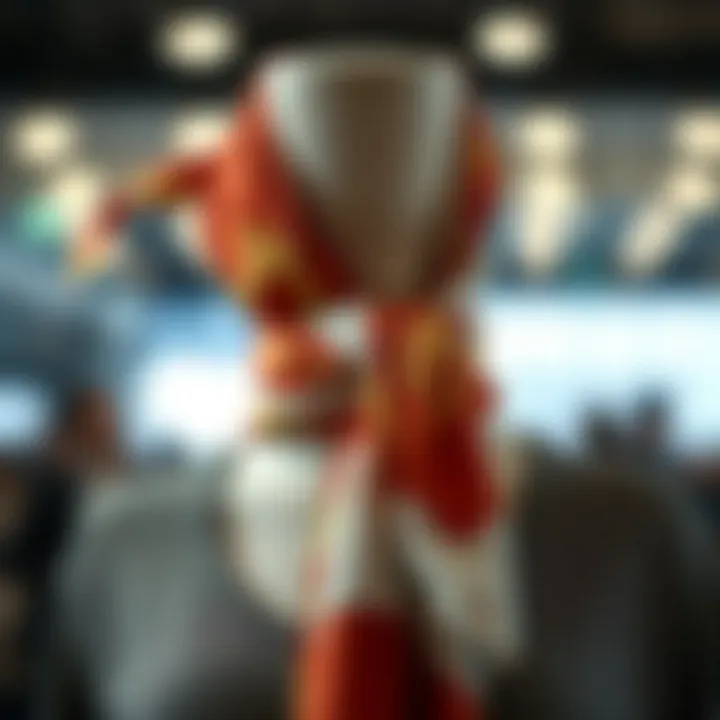
The debate between solid colors and patterns in hijab fashion is as perennial as the seasons. Solid colors can offer a clean, minimalist look, allowing the scarf to blend seamlessly with other attire. For instance, a deep burgundy scarf can enhance a neutral outfit, creating a sophisticated vibe without overwhelming it. On the flip side, patterns can introduce a playful element. Think about a floral print scarf that becomes the focal point of an outfit, bringing vibrancy and character. Popular patterns such as paisley, polka dots, or geometric designs can reflect personality traits, making them a powerful tool in fashion.
- Solid Color Benefits:
- Pattern Advantages:
- Timeless elegance.
- Easier to match with various outfits.
- Less busy, which might appeal to those who prefer simplicity.
- Adds visual interest and dynamism.
- Shows creativity and personal style.
- Good for making a statement or expressing individuality.
Ultimately, the choice between solid and patterned scarves can hinge on personal style and the occasion. One might also think of blending the two, using a solid scarf with a patterned shirt for balance.
Complementing Outfits
When it comes to complementing outfits, the scarf plays a critical role. It’s all about achieving a balanced look that feels harmonious. A scarf doesn’t need to match perfectly with every piece, but it should complement and enhance the outfit. For example, if the outfit features cool tones like blues or greys, opting for a scarf in similar shades can create a cohesive effect. Alternatively, one could go for a contrasting color that still resonates with the overall palette, like a mustard yellow scarf with a navy dress. This creates a striking visual balance without clashing.
- Tips for Complementing Outfits:
- Refer to the color wheel for contrasting yet appealing combinations.
- Consider texture implications; a chunky knit scarf can work wonderfully with a smooth fabric dress.
- Think about the occasion—formal outfits might pair well with sleek, solid scarves, while casual wear allows for more playful patterns.
It might seem like a small detail, but the right scarf can elevate an entire outfit, unifying the look and highlighting the wearer’s style.
Seasonal Color Palettes
The seasons bring with them a natural shift in color trends and palettes, and a savvy hijab wearer often adapts their scarf choices accordingly. In spring and summer, lighter hues like pastels, bright greens, and soft florals are prevalent, inviting a sense of brightness and freshness. Conversely, autumn and winter call for deeper shades like maroons, forest greens, and navy blues—colors that echo the richness of the season.
- Spring/Summer Palette Considerations:
- Autumn/Winter Palette Tips:
- Light colors, airy fabrics.
- Floral patterns in soft tones to reflect blooming nature.
- Rich, warm colors evoke warmth during cold months.
- Consider adding scarves with textures like wool to maintain warmth while being stylish.
Aligning scarf selections with seasonal color palettes allows for a more integrated wardrobe. Not only does this practice show consideration for the environment, but it also demonstrates a keen eye for style.
"Understanding the nuances of color and pattern can make the world of difference in hijab styling, offering endless possibilities for expression and elegance."
Practical Considerations for Scarf Selection
In the realm of hijab fashion, practical considerations can make or break how a scarf works in your wardrobe. While aesthetics and style often take the spotlight, it’s crucial to focus on elements that contribute to the overall wearability and functionality of the garment. Choosing the right scarf goes beyond just the look—it's about how it fits into one’s lifestyle, the climate it will be worn in, and the varied occasions it will serve.
Climate Factors
Selecting a scarf suitable for the climate is fundamental. Different fabrics behave differently under various weather conditions. For instance, a lightweight chiffon scarf can be a lifesaver during the sweltering summer months, allowing for breathability while adhering to modesty. Conversely, for winter’s frigid embrace, wool or knitted scarves serve not just as a fashionable addition but as a necessary barrier against the cold.
In humid environments, opting for moisture-wicking materials can make a significant difference. Scarves that are 100% cotton, for example, wick away sweat and keep skin cool. On the other hand, during rainy seasons, a water-resistant option could save you from discomfort and help maintain your look. The idea is to be equipped with styles that seamlessly adapt to shifting weather patterns without compromising on elegance.
Occasion Appropriateness
The versatility of a scarf often revolves around the occasions for which it is intended. Different events call for different styles, but being prepared means keeping a collection that caters to both formal and casual situations. A silk scarf adorned with a delicate floral pattern may be ideal for an afternoon wedding, showcasing grace and poise. In contrast, a solid-colored wool scarf can enliven a casual outing, like a weekend brunch, adding comfort without sacrificing flair.
Careful thought needs to be put into the balance between formal and casual. You might find yourself needing something that leans towards luxury for a gala, while a vibrant cotton piece could be more fitting for a family get-together at the park. Having choices that cater to various occasions enables effortless transitions while maintaining your signature style.
Ease of Care and Maintenance
When it comes to scarves, the level of care required should not be underestimated. Fabrics such as silk demand a bit more pampering, necessitating hand wash or dry cleaning, which isn't always practical for the everyday wearer. On the other hand, cotton and polyester scarves tend to be more forgiving—often machine washable and durable enough to stand the test of time, making them the workhorses of your accessory collection.
Additionally, consider the dye and printing methods. Some bright-colored scarves may fade with frequent washing, while others may hold up beautifully over time. It's always smart to check labels for cleaning instructions and opt for materials that offer longevity. A good rule of thumb is to prioritize fabrics that align with your lifestyle’s ebb and flow, allowing you to enjoy your scarves without a constant worry about upkeep.
"In every twirl and tuck of your scarf lies a narrative of not just style, but also practicality—a fusion of art and everyday life."
Ultimately, a well-chosen scarf caters to the personal needs of its wearer while embracing the varied dimensions of existence. So, when crafting your hijab wardrobe, don’t forget to think about these essential practical factors—it can transform not just your look, but your entire experience with fashion.
Styling and Wearing Techniques
When it comes to wearing a hijab, how you style and wear your scarf can make a big difference not just in your look, but also in how comfortable you feel throughout the day. This section dives into important elements like how to layer, tying methods, and the art of texture, providing benefits and considerations that elevate your overall theme.
Layering with Scarves
Layering is not just about adding warmth; it's about adding depth and dimension to your hijab style. Think of it like creating a delicious sandwich—each layer brings its own flavor and character. For instance, combining a lightweight chiffon scarf with a slightly heavier cotton one can create a visually appealing play of light and weight. Here are some tips on how to get the best out of layering your scarves:
- Choose varying materials: Using different materials adds interest. Mixing silk with wool can maintain warmth while keeping elegance.
- Vary the lengths: One long and one short scarf can create a flowing look without trying too hard. Just let them drape naturally.
- Color coordination: Layering isn't just about fabric, it also extends to colors. Balance bright colors with neutral tones to keep it sophisticated.
Layering scarves in clever, thoughtful ways enhances your style and helps express individuality, which is often key for those who wear hijabs.
Tying Methods
The way you tie your scarf can make or break your whole outfit. A beautifully tied scarf displays your attention to detail and craftsmanship. And let’s be honest; you wouldn’t want your scarf slipping when you’re in a meeting or out on the town. Here’s how to master the art of tying:
- Classic Loop: A simple technique that's great for beginners. Just fold the scarf in half, place it around your neck and pull the ends through the loop. It looks effortless.
- Turban Style: This style blends fashion with function. It provides full coverage and remains secure, perfect for active days.
- The Soft Twist: For a more relaxed vibe, try twisting the scarf and draping it over your shoulders. It adds an elegant touch while keeping it simple.
Tying your scarf effectively can bring an air of sophistication while maintaining the practical need for coverage.
Experimenting with Texture
Don't underestimate the power of texture in your scarf game. Different materials and designs can add unique visuals or feels to your outfit. Here are a few considerations:
- Mix textures: Pair rough knitted scarves with smooth silk ones for contrast. The visual impact this brings is striking.
- Fabric manipulation: Sometimes, it’s all about how you handle the fabric. Twisting, draping, or folding a scarf can transform its appearance entirely.
- Adding details: Look for shawls or wraps with added elements like fringes or beading. These can add a touch of glamour to your look without overdoing it.
Experimenting with texture not only keeps your style fresh but also invites conversation and admiration—an essential part of self-expression.
"The beauty of wearing a hijab lies in the personal artistry of styling and how you choose to express yourself through your scarf."
Accessorizing Your Scarf
Accessorizing a scarf used for hijab is not merely about aesthetics; it serves a practical purpose in enhancing one's overall style and individuality. In the diverse world of hijab fashion, scarves can be much more than just a piece of fabric. They can express personality, add flair, and even serve functional roles. Integrating accessories allows wearers to elevate their look effortlessly while reflecting their cultural background and personal taste. The right accessories can also offer solutions for comfort and adjustability, allowing for a customizable style that resonates with individual preferences.
Brooches and Pins
Brooches and pins have long been considered timeless accessories in the world of fashion. For hijab wearers, these items provide both style and utility. A brooch can secure a scarf in place, reducing the need for constant adjustments throughout the day. Moreover, they come in a variety of designs, from ornate and vintage to sleek and modern, making it easy to find pieces that complement any outfit.
When selecting a brooch, consider the fabric of the scarf. Heavier materials like wool may require sturdier pins to secure them appropriately, while delicate fabrics such as chiffon or silk may benefit from lighter, more intricate designs. Using a brooch can also draw attention to the face, making it an effective tool for creating visual balance. It’s wise to position the brooch at an angle, giving a slight twist to the fabric. This small touch can add an elegant curve that enhances the overall silhouette.
"A well-chosen brooch brings elegance not just to the scarf but to the entire outfit. It's the cherry on top!"
Headbands and Ties
On the flip side, headbands and ties are practical additions that serve as functional tools for styling while also offering versatility. Rather than relying solely on the scarf to stay in place, headbands can help to keep everything secured without sacrificing comfort. They create a clean, polished look and are available in various styles, from simple solid colors to vibrant patterns that can add energy to any outfit.
Ties, which can be made from the same material as the scarf or in a complementary fabric, provide another layer of creativity. They can be wrapped around the head or used to create an asymmetrical look that adds interest. Wearing headbands with scarves allows the wearer to keep stray hairs at bay, perfect for windy days while keeping the overall appearance tidy.
Additionally, headbands offer the opportunity to play with color and texture, allowing for more dynamic combinations. A velvet headband, for instance, can contrast beautifully against a silk scarf, delivering a sophisticated yet playful vibe.
Sustainable Options for Scarves
In recent years, sustainability has become an integral part of fashion discussions, deeply influencing consumer behavior and production processes. With the rising awareness of environmental concerns, the importance of selecting sustainable options for hijab scarves cannot be overstated. This section will explore how fabric choices and production practices impact both ecology and community, offering insight into practical and stylish options for hijab wearers.
Sustainable scarves stand at the intersection of style and responsibility. They not only contribute to a healthier planet but also promote ethical practices in the fashion industry. Scarves made from eco-friendly fabrics reduce the reliance on traditional textiles that can harm the environment during production and processing. Moreover, ethical production practices ensure fair labor conditions, further reinforcing the significance of sustainable choices in one's hijab wardrobe.
Eco-Friendly Fabrics
Choosing eco-friendly fabrics is a pivotal step in crafting a sustainable scarf collection. Fabrics such as organic cotton, linen, bamboo, and Tencel are examples of materials that offer both comfort and eco-consciousness. Organic cotton, for instance, is cultivated without harmful pesticides or synthetic fertilizers, making it a healthier alternative for both the environment and the wearer's skin. Linen, derived from the flax plant, is not only biodegradable but also thrives with minimal water and chemicals during its growing process.
Bamboo fabric is another option that’s gaining traction in the fashion world. Its rapid growth and low maintenance make it an environmentally friendly choice. Tencel, made from sustainably sourced wood, is known for its silky texture and biodegradability, making it a top choice for luxurious yet sustainable scarves.
When selecting scarves, look for certifications that guarantee eco-friendliness, such as the Global Organic Textile Standard (GOTS) or OEKO-TEX certification. These labels indicate that the materials have been produced under strict environmental and social standards, providing a reliable option for the conscientious shopper.
Ethical Production Practices
Ethical production practices form the backbone of sustainable fashion. It isn’t enough for scarves to be made from eco-friendly fabrics; the processes behind their creation must also be responsible and fair. When a scarf is produced under ethical standards, it means that workers are treated well, paid fair wages, and work in safe conditions. This aspect becomes increasingly crucial as consumers become more aware of the sweatshop conditions prevalent in many parts of the fashion industry.
Supporting brands that adhere to ethical practices helps foster a growth environment for fair wages and safe working conditions worldwide. Brands like Kuyichi and People Tree are known for their commitment to sustainable sourcing and employee welfare, making them excellent choices for ethical scarf shoppers.
Another consideration is local craftsmanship. By purchasing scarves made by local artisans, consumers contribute to the preservation of traditional techniques while also supporting local economies. This practice often creates unique, high-quality pieces that capture the essence of cultural diversity in fashion.
"Choosing scarves made from eco-friendly materials and ethically produced sets the stage for a more responsible fashion future."
Where to Purchase Quality Hijab Scarves
Finding the right scarf is a significant decision for hijab wearers. It isn't just about picking something that looks nice; it's also a matter of comfort, material quality, and how well the scarf fits into one's lifestyle. The place where one chooses to purchase their hijab scarves can greatly influence these factors. Having access to reliable sources for buying scarves is essential, as it guarantees not only good quality but also a wide variety of options to suit different needs and preferences.
Online Retailers
Online shopping has transformed the way people buy hijab scarves, offering unparalleled convenience and variety. Purchasing from the comfort of your home allows for a relaxed decision-making process, enabling you to browse numerous options at your leisure. Many e-commerce platforms specialize in scarves tailored for hijab wearers, providing a range of materials, styles, and patterns.
When exploring online options, consider the following:
- User Reviews: Reading reviews from other customers can give you insight into the quality and fit of the scarves. Trustworthy retailers often have customer ratings and detailed feedback on their products.
- Return Policies: A good return policy protects your investment. It’s always wise to purchase from retailers that allow easy returns or exchanges in case the scarf doesn’t meet your expectations.
- Shipping and Delivery: Check shipping costs and delivery times. Some online shops offer free shipping on orders above a certain amount or quick shipping options.
Many popular online retailers, such as Etsy, ASOS, or Amazon, have specialized sections for hijab accessories, making it easier to filter options based on what you need.
Local Boutiques and Markets
While online shopping is a tempting option, there's something irreplaceable about visiting local boutiques and markets. Shopping in person allows you to feel the fabric, see the colors up close, and try on scarves to ensure the style works for you. Local shops often carry unique pieces that reflect regional styles and trends, giving your collection a personal touch.
Here are some thoughts on shopping at local boutiques and markets:
- Support Local Businesses: By buying from local boutiques, you're contributing to your community’s economy. Many small shops curate their selection carefully, showcasing artisans and local designers.
- Personalized Experience: Staff in boutiques often have specialized knowledge about the products and can help you find the ideal scarf for your needs. They might also have tips on styling that you can’t get from an online description.
- Quality Over Quantity: Local boutiques typically emphasize quality, offering well-made pieces that aren’t mass-produced. This direct connection can assure you that your purchase is likely to last longer.
Whatever choice you make, whether online or in a local shop, the key is to prioritize quality and personal fit. Take your time, and select scarves that truly represent your style and comfort.
“Choosing the right scarf isn’t just a fashion statement; it’s about feeling confident and true to yourself in how you express your identity.”
By understanding where to shop, you embrace not just function but also the art of adorning yourself beautifully.
Closure: Crafting Your Scarf Collection
In the world of hijab fashion, the significance of selecting the right scarf cannot be overstated. As this article has articulated, scarves serve not just as a piece of fabric, but rather as an essential component that ties oneself to culture, individuality, and personal comfort. Crafting a personalized scarf collection elevates one’s overall appearance while adhering to the values and aesthetics of hijab.
Understanding different materials such as cotton, silk, and chiffon is pivotal in making informed decisions about scarf purchases. Each fabric interacts differently with the skin, breathes in variable climates, and offers diverse styling possibilities. Those well-versed in fashion design particularly appreciate the properties of each fabric, allowing for thoughtful combinations with outfits that range from casual to formal.
Furthermore, the styles you choose—be it classic squares or long rectangles—affect not just your look but also your comfort and ability to express identity. It’s akin to selecting the right paintbrush for a masterpiece. A well-curated collection provides you options, enabling you to adapt to various occasions with grace and ease.
Benefits extend beyond aesthetics and personal satisfaction; a rich collection can be an investment. Scarves made of high-quality materials can last considerably longer and maintain their appearance and function over time. For retailers and marketers in the fashion industry, understanding these nuances provides a competitive edge. Having a diverse range of scarves allows businesses to cater to varying preferences, potentially increasing their market appeal.
When selecting pieces to include in your scarf collection, consider seasonal color palettes and patterns as discussed previously. This not only ensures that your wardrobe remains fresh but also highlights your ability to blend current fashion trends with traditional values.
In summary, the act of curating a scarf collection goes beyond mere functionality. It involves thoughtful selection, understanding of materials, and a flair for personal expression. By keeping these elements in mind, one fosters a wardrobe that is not only beautiful and fashionable but also deeply personal and enriching. This, in turn, enhances the experience of wearing hijab, allowing for a diverse range of expressions and styles.
"A scarf is not just an accessory; it's a statement of who you are."
This guide is intended to serve as a cornerstone for those looking to refine or grow their scarf collection. Embrace these insights and enrich your hijab journey with thoughtful choices that resonate with personal style and cultural identity.